Gold-plated vs silver-plated stone jewellery does not have one universal winner for longevity. How long either finish lasts depends on plating quality, base metal, frequency of wear, moisture, chemicals, friction, and care. Both can stay beautiful for longer when protected from water, sweat, perfumes and rough handling.
Gold-plated vs silver-plated stone jewellery can both be durable choices when cared for properly. The real difference lies in the plating, base metal, construction and everyday exposure rather than colour alone. At Druzy Dust, natural stones meet contemporary jewellery designs in both warm and cool finishes. So, which one should you choose for lasting wear?
What Does Plated Stone Jewellery Mean?
Before comparing finishes, it helps to understand what “plated” actually means.
Plated jewellery has a thin layer of another metal applied over a base metal. The visible finish gives the piece its characteristic colour and shine, while the metal underneath provides the structure.
What Is Gold-Plated Stone Jewellery?
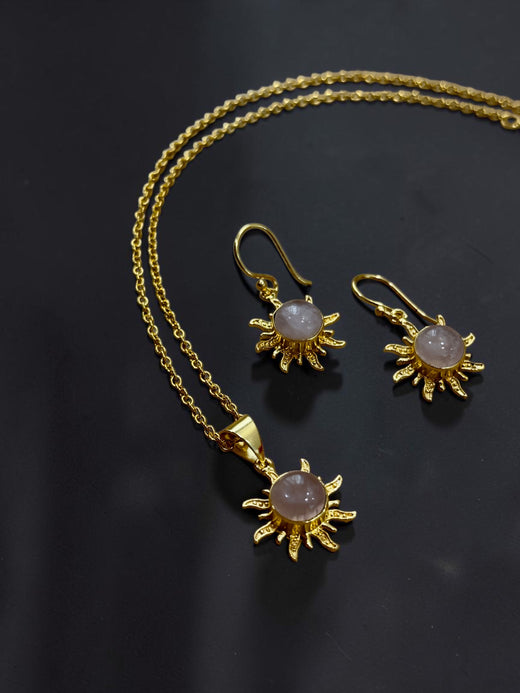
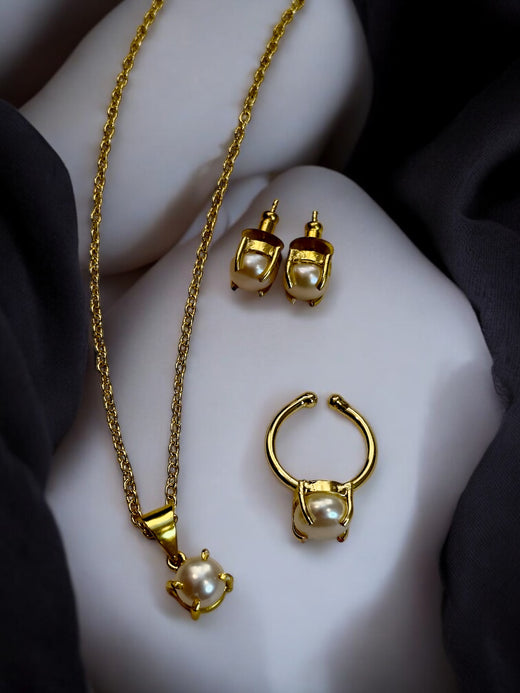
Gold-plated jewellery has a layer of gold applied over a base metal such as brass. The result is the warm, rich appearance associated with gold without the construction of a solid-gold piece.
Druzy Dust uses gold-plated brass across several natural-stone designs. For example, the Stickdrop Stone Earrings feature a gold-plated brass stick with a natural raw gemstone and are designed for versatile everyday styling.
What Is Silver-Plated Stone Jewellery?
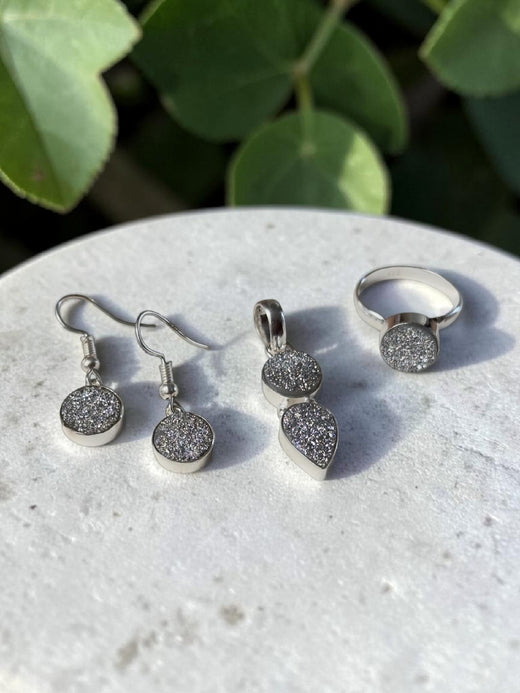
Silver-plated jewellery uses a layer of silver over a base metal. It creates a cooler metallic appearance that works particularly well with colourful gemstones and minimalist styling.
The Purple Amethyst Silver Plated Saisha Stone Drop Studs pair raw amethyst with silver-plated brass, giving the natural purple stone a cooler-toned setting.
Why Does the Base Metal Matter?
The visible finish is only one part of the jewellery. The metal underneath, the quality of construction, and the plating process can all influence how a piece performs with regular use.
That is why simply saying that gold plating “lasts longer” than silver plating, or vice versa, would be misleading.
Gold-Plated vs Silver-Plated Stone Jewellery: 6 Factors That Affect Longevity
1. Plating Quality and Thickness
One of the most important considerations is the plating itself.
A plated finish is a surface layer, so it will naturally experience wear over time. The quality and thickness of that layer, along with how it has been applied, can affect how quickly the underlying metal becomes visible.
This means two pieces with the same gold or silver finish can have very different lifespans.
For shoppers, it is more useful to consider the complete jewellery piece rather than judging durability from its colour.
2. The Base Metal Beneath the Finish
The base metal provides the structure of the jewellery. Brass is commonly used for plated jewellery because it can be shaped into detailed designs and provides a suitable foundation for decorative finishes.
Druzy Dust's collection includes several natural-stone pieces made with gold-plated brass. The Raw Pyrite Gold Plated Drop Studs, for instance, combine raw pyrite with gold-plated brass. The product also notes that the stones are raw and uncut, so slight variations in shape are expected.
The same principle applies to silver-plated pieces. The base metal and construction remain important even though the visible finish is different.
3. How Frequently You Wear It
Occasional jewellery and everyday jewellery experience very different levels of wear.
Bracelets can come into contact with desks, bags and clothing, while different types of earrings may experience friction from hair and frequent handling. The more often a plated piece is worn, the more important proper care becomes.
4. Exposure to Water, Sweat and Chemicals
Moisture and chemicals are among the biggest practical concerns for plated jewellery.
Perfume, body lotion, household cleaning products, chlorine and prolonged exposure to water can affect the finish over time. Sweat can also contribute to surface wear, particularly when jewellery is worn during exercise.
Druzy Dust recommends keeping its plated jewellery away from water, perfumes, lotions and household cleaning products. Its care guidance also recommends removing jewellery before swimming or exercising and storing pieces in a cool, dry place.
5. Friction and Physical Contact
Friction is easy to overlook because it happens gradually.
A bracelet rubbing against a desk, a ring catching against clothing or two stacked pieces constantly touching each other can slowly affect a plated surface.
This does not mean you cannot wear plated stone jewellery regularly. It simply means that pieces exposed to frequent rubbing need more thoughtful handling.
6. Storage and Cleaning Habits
Good storage can make a noticeable difference to how your jewellery looks over time.
Keep plated pieces:
- Dry and away from moisture
- Separate from pieces that may scratch them
- Away from perfumes and cosmetics
- In a cool, dry environment
- Protected from unnecessary friction
Druzy Dust specifically recommends storing its jewellery in a cool, dry place, preferably in an airtight setting.
When cleaning, avoid abrasive materials or aggressive rubbing. A gentle approach is particularly important when natural stones are part of the design.
Gold-Plated vs Silver-Plated Jewellery: Which Is Better for Everyday Wear?
There is no universal winner.
Gold plating may appeal to you if you prefer warm, traditional or elevated metallic tones. It also pairs naturally with Indian outfits, such as finding the right earrings for anarkali dress combinations, neutral wardrobes, and colourful gemstones.
Silver plating can be ideal if you prefer a cooler, understated or contemporary appearance. It creates an interesting contrast against stones such as amethyst and rose quartz.
The better choice ultimately depends on your style, how often you intend to wear the piece and whether you are prepared to follow its care instructions.
How Long Does Gold-Plated Stone Jewellery Last?
There is no single number of months or years that applies to every piece.
The lifespan depends on factors such as plating quality, base metal, frequency of use, skin chemistry, moisture, chemicals and friction.
For example, Druzy Dust's Stickdrop Stone Earrings are made with natural stones and gold-plated brass and are positioned for daily wear, office days and casual occasions. The brand nevertheless recommends protecting them from water, perfumes, lotions, sweat, chlorine and physical impact.
This illustrates an important point: jewellery can be designed for regular wear while still benefiting from sensible care.
How Long Does Silver-Plated Stone Jewellery Last?
Silver plating also has a variable lifespan rather than a fixed expiration date.
Frequent contact with moisture, chemicals, and friction can gradually affect the visible finish. If the surface layer becomes worn, the appearance of the underlying metal may become more noticeable.
Druzy Dust's Purple Amethyst Silver Plated Saisha Stone Drop Studs are an example of silver-plated brass paired with a raw natural stone. The product's care guidance recommends avoiding water, perfumes, lotions, and household cleaning products.
How to Make Plated Stone Jewellery Last Longer
Whether you prefer gold or silver, a few simple habits can help preserve the finish.
- Put jewellery on last. Apply perfume, hairspray, makeup and skincare first and allow them to settle before wearing your jewellery.
- Remove it before swimming or exercising. Chlorine, sweat and physical activity can expose the finish to unnecessary moisture and friction.
- Keep it away from household chemicals. Cleaning products can be harsh on plated surfaces.
- Store pieces separately. This reduces rubbing and scratching between jewellery items.
- Keep natural stones in mind. Some stones and pearls also require gentle handling, so avoid assuming that every piece can be cleaned in the same way.
- Follow the brand's care instructions. Product-specific guidance is more useful than relying on generic jewellery rules.
Does Gold-Plated Jewellery Tarnish?
Gold plating can lose its original appearance as the surface is exposed to wear and environmental conditions. It is also important to distinguish between changes to the plated surface and changes occurring in the underlying metal.
Rather than assuming that every change in colour means “tarnishing,” look at the complete construction of the piece and its care history.
Does Silver-Plated Jewellery Tarnish?
Silver-plated jewellery can also change appearance with exposure and wear. Because the silver is a surface layer, prolonged friction or environmental exposure can eventually affect how the piece looks.
Proper storage and avoiding unnecessary contact with water, chemicals, and cosmetics can help maintain the finish for longer.
Gold-Plated vs Silver-Plated Stone Jewellery: Which Should You Choose?
When deciding between the two, think beyond durability.
Choose Gold-Plated Jewellery If You Prefer:
- Warm, luminous metallic tones
- A classic or elevated appearance
- Jewellery that complements Indian and Western wardrobes
- Gold-toned settings around colourful natural stones
Druzy Dust's Purple Amethyst Gold Plated Saisha Drop Studs and Raw Pyrite Gold Plated Drop Studs are examples of how colourful and raw stones can be styled with a gold-toned finish.
Choose Silver-Plated Jewellery If You Prefer:
- Cooler metallic tones
- A contemporary, understated aesthetic
- Strong contrast with colourful gemstones
- Silver-toned jewellery in your existing collection
Druzy Dust's stone-earring collection currently includes silver-plated options such as the Pink Rose Quartz Silver Plated Saisha Stone Drop Studs alongside the purple amethyst design. These can be paired effortlessly with ethnic earrings or bold statement stone earrings.
Explore Stone Jewellery at Druzy Dust
Druzy Dust brings natural stones into contemporary jewellery designs, with pieces ranging from everyday earrings to statement styles. Its current collection includes natural stone earrings, bracelets, rings, necklaces and pendants, with both gold-plated and silver-plated designs available.
For a subtle everyday look, explore the Stickdrop Stone Earrings. For a more distinctive raw-stone aesthetic, the Black Tourmaline Stone Drop Studs combine raw black tourmaline with gold-plated brass.
If you prefer a more statement-led design, the Amrapali Stone Earrings feature natural polished gemstones such as malachite and turquoise with 18Kt gold-plated brass.
Final Verdict: Which Lasts Longer?
Ultimately, gold-plated vs silver-plated stone jewellery is not a simple contest between gold and silver. Neither finish is guaranteed to outlast the other simply because of its colour.
The more useful question is: How well is the piece made, how often will you wear it, and how will you care for it?
Choose the finish that suits your style, pay attention to the materials and product information, and protect your jewellery from unnecessary moisture, chemicals, and friction.
If natural stones and contemporary design are what draw you to jewellery, explore Druzy Dust's collection and find a piece that fits your everyday style. From raw gemstone earrings to statement stone designs, discover jewellery made to be worn, styled and cared for thoughtfully.
FAQs
Q1. How long does gold-plated stone jewellery last?
There is no fixed lifespan. Durability depends on plating quality, base metal, thickness, frequency of wear and exposure to water, sweat, chemicals and friction. Careful storage and handling can help preserve the finish.
Q2. Can gold-plated jewellery be worn every day?
Yes, many gold-plated pieces can be worn regularly, but everyday use means greater exposure to friction and moisture. Remove jewellery before swimming, exercising or showering, and keep it away from perfumes, lotions and cleaning products.
Q3. Is silver-plated jewellery durable?
Silver-plated jewellery can be durable for regular use when properly cared for. Its longevity depends on the plating, base metal, construction and amount of exposure to moisture, chemicals and friction rather than the silver colour alone.
Q4. Will gold plating wear off?
Yes. Because gold plating is a surface layer, repeated friction and exposure can gradually reduce the visible finish. How quickly this happens varies by piece and usage.
Q5. What makes plated jewellery last longer?
Keeping it dry, avoiding perfumes and chemicals, removing it during exercise and swimming, storing it separately and cleaning it gently can all help reduce unnecessary wear.
Q6. Why does plated jewellery change colour?
Changes can occur because of surface wear, moisture, chemicals, friction and exposure of the underlying metal. The exact reason depends on the jewellery's materials and how it has been used and stored.
Q7. Can I wear gold-plated or silver-plated jewellery in water?
It is best to avoid unnecessary water exposure. Showering, swimming and prolonged moisture can accelerate wear, particularly when combined with chlorine, soap or other chemicals. Always follow the specific product's care instructions.
Q8. What lasts longer: gold-plated or silver-plated jewellery?
Neither finish automatically lasts longer. The quality and thickness of plating, base metal, construction, frequency of wear and care have a greater influence on longevity than whether the finish is gold or silver.